Palestinian International Organization for Peace and Human Rights
August 12, 2026
Temporary shelter turns into long-term residence
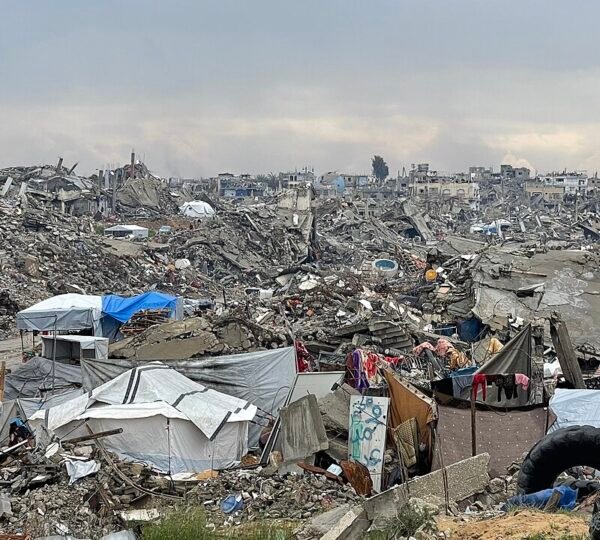
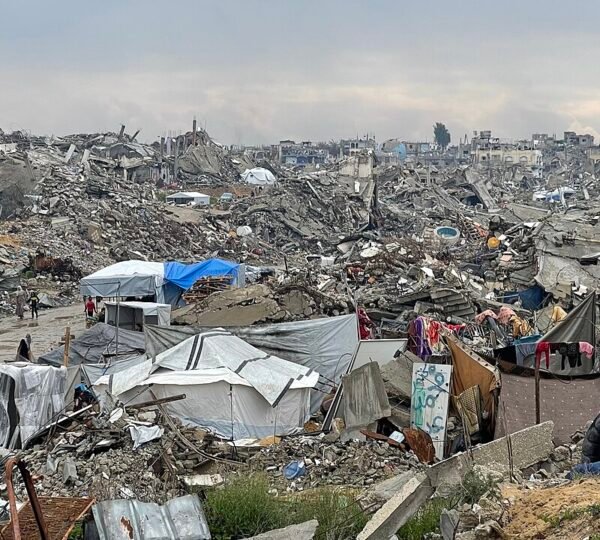
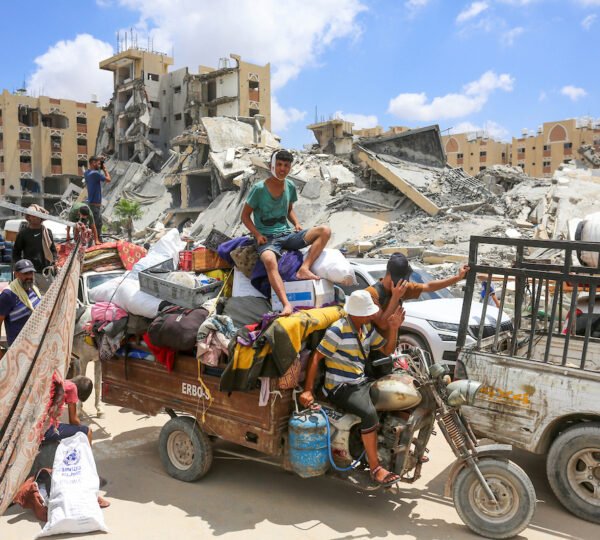
Information published on August 12, 2026, indicated that large numbers of Gaza residents remained in tents and shelters after their homes were damaged and they were unable to return. Daily life became increasingly difficult when emergency arrangements became a prolonged reality without adequate service infrastructure.
Additional obstacles for people with disabilities
Some people with mobility impairments and the elderly face difficulty accessing toilets, food distribution points, and sanitary facilities due to poorly maintained roads and long distances. The lack of lighting at night increases the risk of tripping and hinders safe movement within the camps.
Women’s privacy and child protection
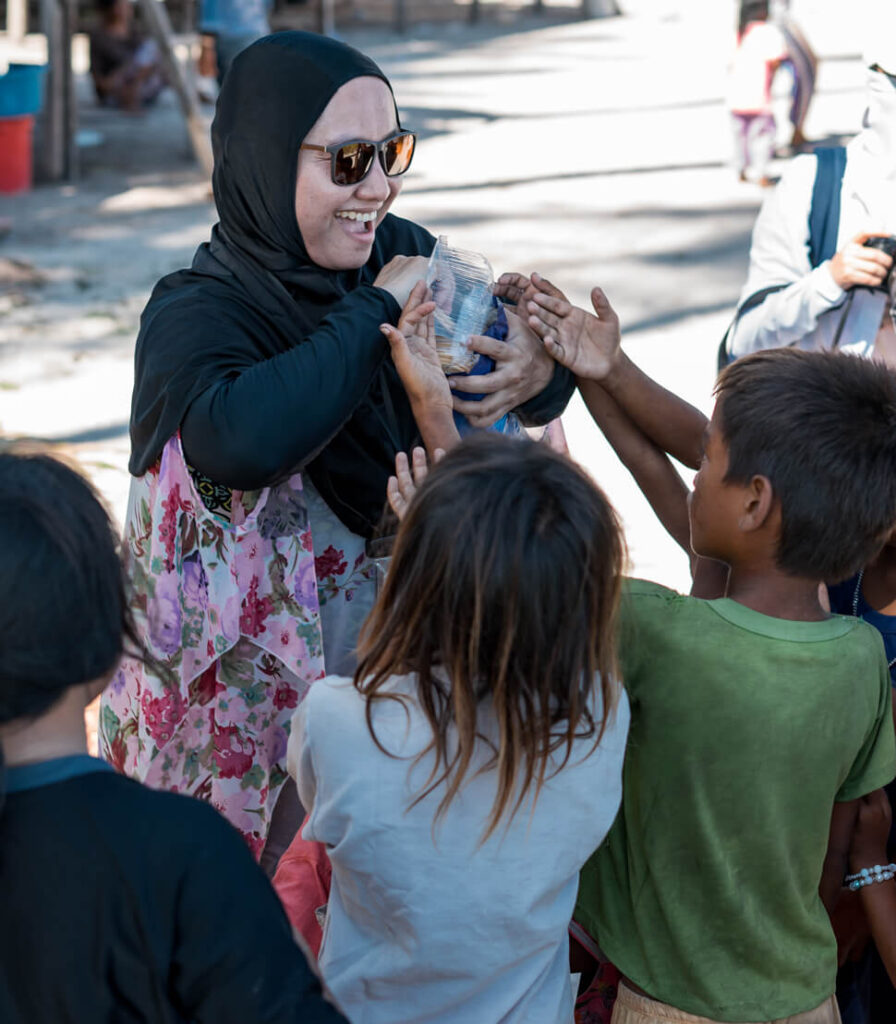
Overcrowding and a lack of safe sanitation facilities pose particular challenges for women, girls, and children. Limited access to cooking, energy, and water further burdens families struggling to meet their basic needs in a constantly displaced environment.
Improving housing conditions
Displacement sites need accessible facilities, safe lighting, water and sanitation, and services that are inclusive of people with disabilities. Support must also be provided for the transition from tents to safe housing and the reconstruction of damaged services.
The featured image is for illustrative purposes and does not document the event itself. It is an archive photo from Gaza in 2024, not from a specific camp or incident in August 2026. Photo credit: Rawanmurad2025, License CC BY-SA 4.0 — Image page.